


 PM Modi's Nuclear Energy Push Beneficial properties Traction With New Vegetation on Means
[ad_1]
PM Modi's Nuclear Energy Push Beneficial properties Traction With New Vegetation on Means
[ad_1]
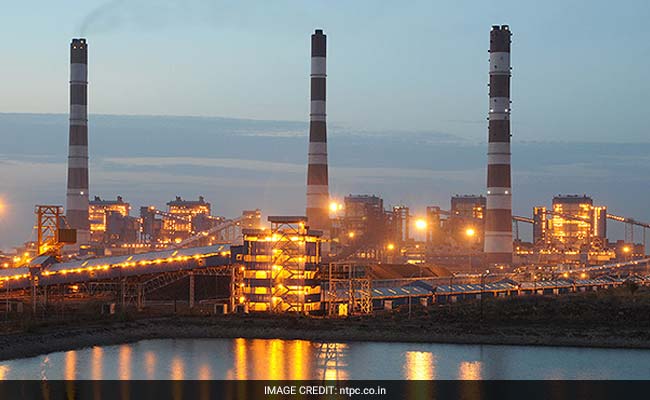
NTPC largely depends on coal (FIle)
India's largest energy producer is trying to develop one other large nuclear venture simply weeks after asserting its entry into the sector, an indication that Prime Minister Narendra Modi's growth into atomic vitality is gaining momentum.
A enterprise between NTPC Ltd and Nuclear Energy Company is in superior talks with the federal government to develop two 700-megawatt reactors in Madhya Pradesh, in accordance with folks accustomed to the matter, who requested to not be recognized because the discussions aren't public.
That comes on the heels of an announcement earlier this month from NTPC, which mentioned it is looking for to make its nuclear energy debut with two reactors at Gorakhpur within the northern state of Haryana. The nation is at the moment constructing six gigawatts of nuclear capability, essentially the most after China, which has practically thrice that quantity below development, in accordance with the Worldwide Atomic Vitality Company.
PM Modi is aiming to greater than triple India's nuclear fleet over the following decade to increase the share of electrical energy from cleaner sources, because the nation seeks to zero out carbon emissions by 2070. The nation at the moment generates about 70 per cent of its electrical energy utilizing coal and round 3 per cent from nuclear, and has opened its atomic trade to state-controlled companies past Nuclear Energy Corp. of India Ltd. in a bid to hurry adoption of nuclear vitality.
NTPC, Nuclear Energy Company and the Division of Atomic Vitality did not instantly reply to emailed requests for remark.
"From a carbon footprint viewpoint, nuclear is one of the best type of baseload energy and that makes it an important a part of India's journey to web zero," mentioned Debasish Mishra, a Mumbai-based companion at Deloitte Touche Tohmatsu. "The home expertise is tried and examined and an increasing number of authorities corporations ought to contemplate investing in these initiatives."
India emerged from a nuclear exile in 2008 following an settlement with the US that allowed it to entry overseas expertise and uncooked supplies for its civil program for the primary time in three many years. However resistance to the nation's nuclear legal responsibility regulation, which holds tools suppliers responsible for accidents together with anti-nuclear issues following the 2011 Fukushima catastrophe in Japan have thwarted growth plans.
The nation has 6.8 gigawatts of nuclear energy, barely 1.7 per cent of its whole era fleet. NTPC at the moment runs 92 per cent of its capability on fossil fuels and plans to cut back that to a few half by 2032.
[ad_2]
0 comments